


Some 3D prints look great on a shelf. These ones move. Articulated prints are the most satisfying things coming off FDM printers right now — flexible, fidget-worthy, and genuinely impressive to anyone who picks one up. Here's a breakdown of the best designs worth printing, what makes each one special, and why this format is becoming a serious product category for makers and collectors alike.
1. Crystal Dragon
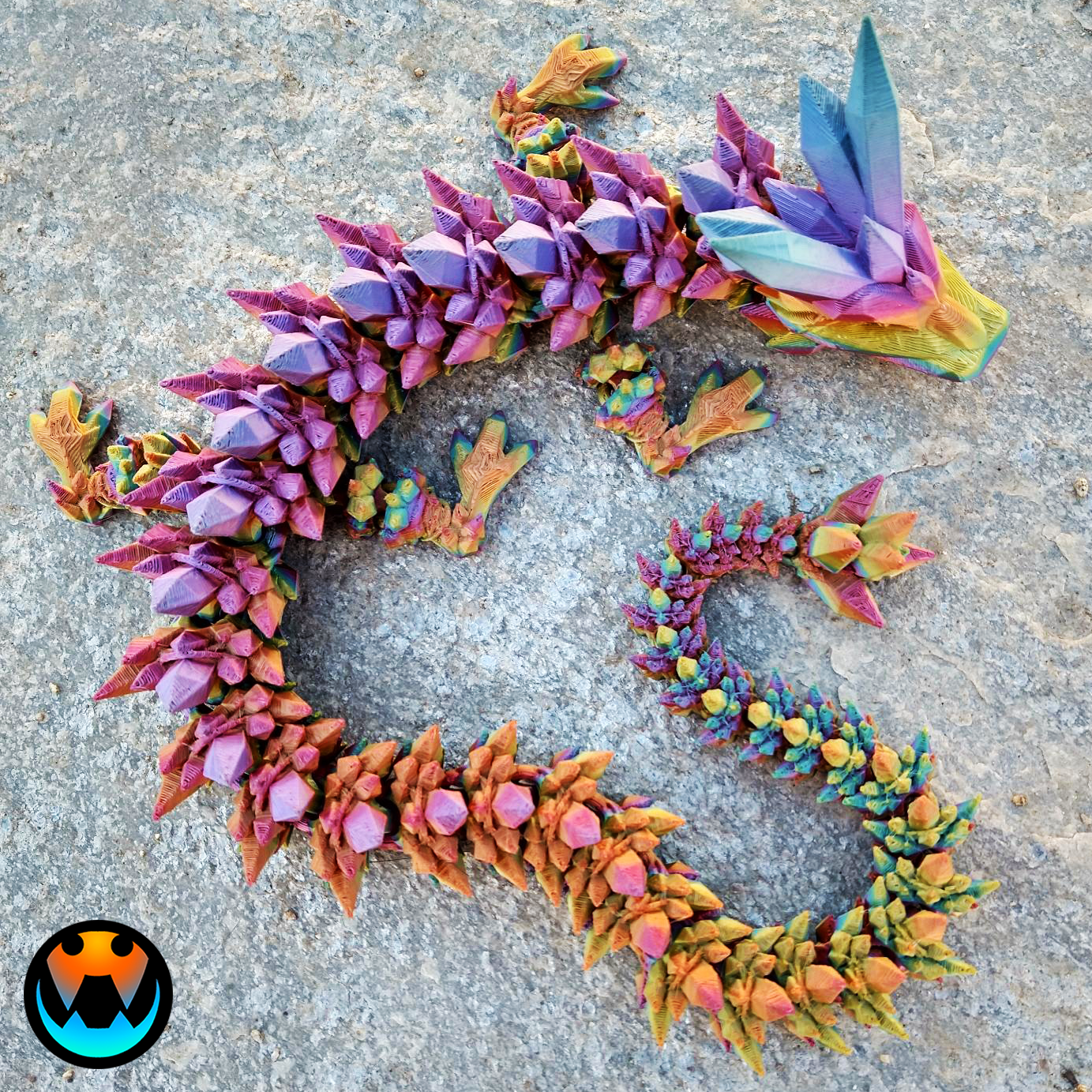
The articulated dragon is the flagship of the format. Every segment is individually printed and linked — no assembly, no hardware — straight off the bed and ready to flex. The crystal variant takes it further: printed in clear or translucent filament, each segment catches light differently depending on the angle. Hold it up and it looks like something out of a fantasy RPG inventory screen.
What makes it work is the spine. The individual ball-and-socket joints are tuned for just enough resistance to hold a pose without snapping. You can coil it, drape it over an object, or let it hang off the edge of a shelf mid-flight. The range of motion is legitimately surprising.
Print settings matter here: slow down your outer walls, run at least 3 perimeters, and use a slightly higher temp to get the joints moving cleanly after the first flex. Translucent PLA+ gives the best light diffusion if you're going for the crystal effect.
Why it works: It photographs in every lighting condition. It's a conversation starter. And it flexes on camera — which means it sells itself in a 5-second video.
2. Articulated Octopus
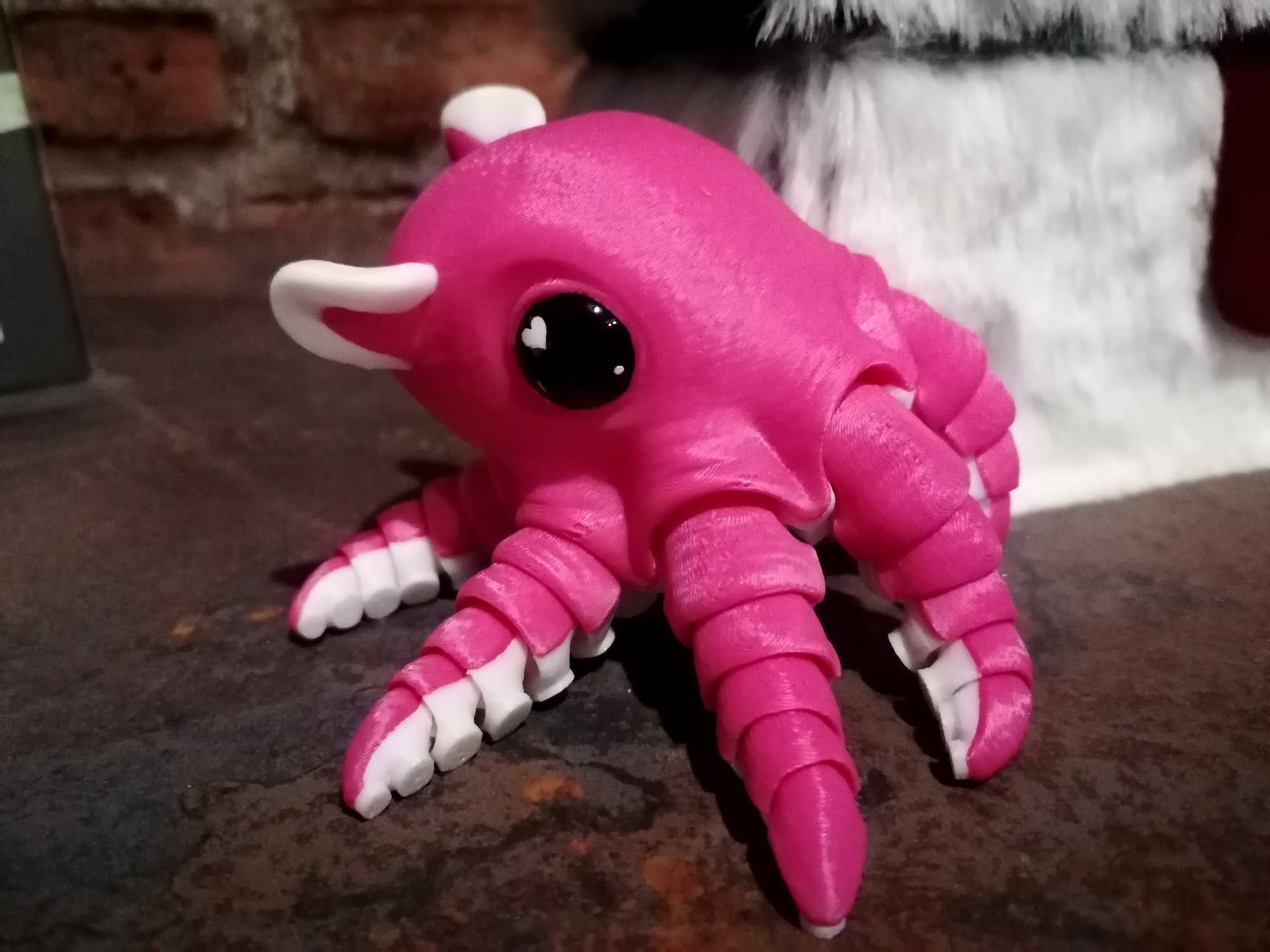
Eight arms, all of them moving, all printed in place. The articulated octopus sits flat on the print bed and comes off as a single fully-flexible piece. Each tentacle has its own chain of joints that let it curl and drape naturally — hold it in your hand and the arms fall around your fingers on their own.
This one has a sensory quality that surprises people. It's not just visually interesting — it has a satisfying weight and texture when you handle it. That tactile element is what makes it go viral when someone films it.
Print it in two colors if your printer supports it: a contrasting color for the suckers versus the main body adds detail that looks hand-painted but costs nothing extra. Silk PLA gives it a sheen that reads as professional in photos.
Why it works: Immediate sensory hook. It picks up and doesn't put down. Film the arms moving in slow-mo and you've got content that loops forever.
3. Kitsune Fox
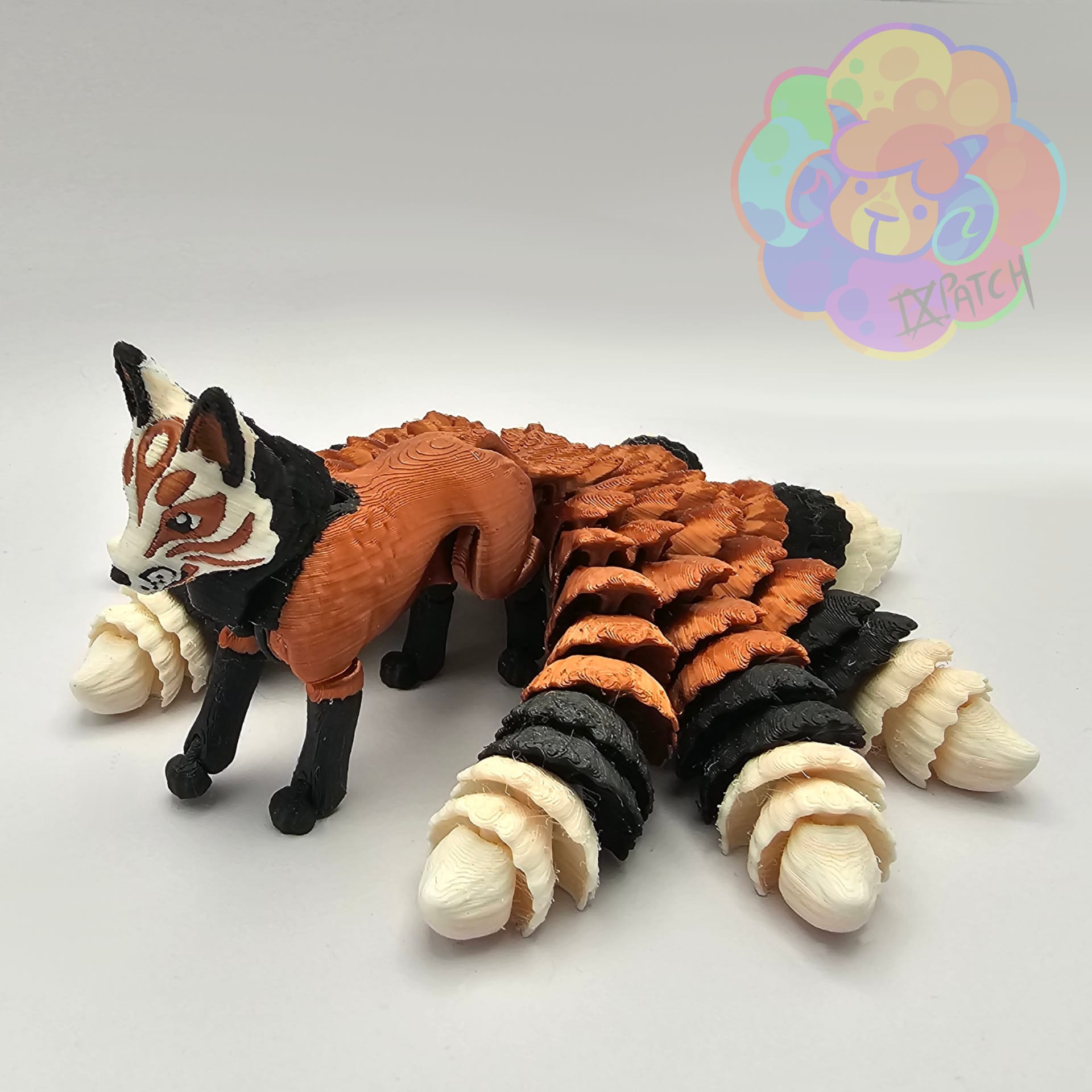
The kitsune is one of the most popular articulated creature designs in the anime and Japanese folklore space — and for good reason. The multi-tail silhouette is instantly recognizable, the chibi proportions keep the detail readable at small scale, and a well-designed version gives each tail its own chain of articulated segments.
The structural challenge is the tail cluster. Each one needs enough flex to feel alive without collapsing at the joints under its own weight. The best designs solve this by fanning the tails outward from a shared base with a slight upward curve — so they hold position when displayed but still move when handled.
Run it in white or cream PLA for a classic spirit fox look, or go gradient gold-to-orange for something with more pop. Either way, the silhouette is strong enough that it reads well even in a single solid color.
Why it works: Strong aesthetic anchor in the anime and Japanese folklore niche. High perceived value from the tail detail. One of the few creature designs that looks great at both 80mm and full-size display scale.
4. Mech / Robot Figure
Articulated mechs occupy a different space from organic creatures — the appeal is engineering. Every joint is intentional. Every panel line means something. Where a dragon or fox succeeds on visual flow, a mech succeeds on the impression that every moving part was designed by someone who understood how machines work.
The best FDM mech designs embrace the layer lines rather than hiding them. The slightly visible texture reads as panel seams at the right scale. Print in metallic silver PLA for a raw cast-metal look, or hit it with a chrome filament for something that photographs like a premium product shot without any post-processing.
Chibi-proportioned mechs scale well at smaller sizes — the exaggerated head-to-body ratio keeps the detail readable even at 80mm standing height, where a realistic mech would lose all definition.
Why it works: Cross-audience appeal — anime fans, gunpla builders, tabletop gamers, and kids all respond to mechs. One of the broadest-reach designs in the format.
5. Phoenix
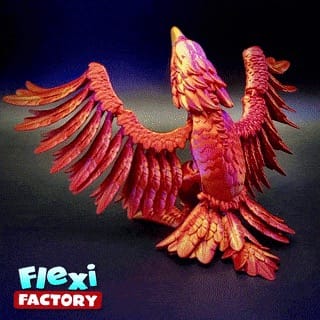
The phoenix is the hardest articulated design to get right and the most spectacular when it works. Wings that spread, tail feathers with flex, a chest that can rotate slightly. The structural challenge is supporting wing span without relying on supports — which means the design has to be clever about how joints load and transfer force.
Print in gradient filament — orange at the base transitioning to gold at the tips — and the result looks painted even though it's single-filament. The flame detail on the wing edges reads as intentional texture rather than layer artifact if your outer walls are slow and your temperature is dialed in.
This is a display piece that also moves. That combination is rare. Most articulated prints sacrifice shelf presence for play value. The best phoenix designs refuse that tradeoff.
Why it works: High shelf presence. Stunning in photos and video. Phoenix symbolism crosses cultures and generations — it lands with anime fans, fantasy collectors, and general gift buyers alike.
6. Fidget Cube
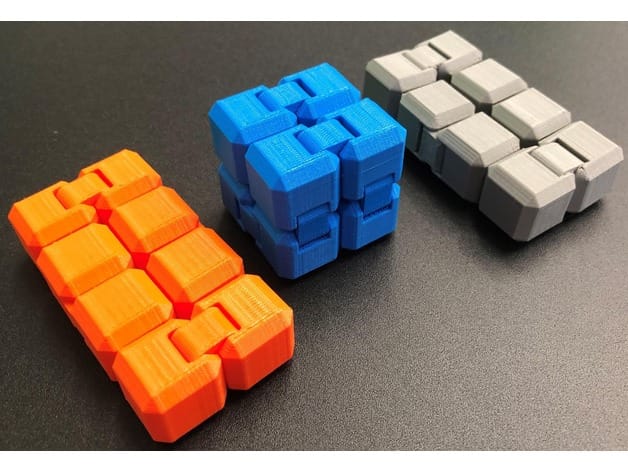
Every surface of a fidget cube has something satisfying to interact with: a clickable button, a spinning dial, a sliding switch, a textured rub pad, a silent click, a ratcheted toggle. The sensory range is the point — different textures and feedback modes for different moments of idle restlessness.
Print-in-place fidget cubes come off the bed as a single piece and work immediately. No glue, no heat-setting, no hardware. That's the magic of the format: from file to functional in one print job.
Run these in a rainbow of colors — one per batch — and they become great impulse purchases or gifts. They're fast to print, cost almost nothing in filament, and the fidget audience is enormous. Every desk worker, gamer, and ADHD brain is a potential customer.
Why it works: Near-zero production cost, high volume appeal, and they sell themselves in a 3-second video. The fidget format never goes out of style.
Tips for Printing Articulated Designs
A few things that make or break articulated prints regardless of the specific design:
- Zero supports — any design worth printing in volume should need no supports. If the file requires them, the joints will be a mess to clean up at scale.
- Slow your outer walls — articulated joints live or die on surface finish. Slower outer perimeters (30–40mm/s) mean cleaner joint surfaces and better flex from the first use.
- Temperature matters — slightly higher temps improve layer bonding at thin joint walls. Too low and joints snap rather than flex.
- Print upright when possible — for figures with a clear base, printing foot-to-head gives joint walls the strongest layer orientation for the side-loading forces that happen when you flex them.
- Test at 50% first — before committing to a full print run at your target scale, test at half size to confirm joint clearances survive the scaling.
Why Articulated Prints Are Worth Making
Static figures are great. Articulated figures get picked up. That difference is the entire value proposition — an object people touch, flex, and put back on their desk is one they'll remember and tell someone about. It turns a display piece into an experience.
For makers selling prints, articulated designs outperform static ones at markets and online because the sell is immediate. You hand someone a dragon, they flex it once, and it's sold. No pitch required. The design does the talking.
For collectors, the combination of articulation and strong character design creates something genuinely hard to find in mass-produced toys — a figure with personality that also moves. That's the gap FDM printing fills better than almost any other manufacturing method at small-batch scale.
Into articulated 3D prints and geek culture collectibles? Subscribe to the Geeky Inc newsletter — we publish guides, drop announcements, and print recommendations every week.
Follow us on social: TikTok: @geekyinc Instagram: @thegeekyinc
Stay in the loop: Join the Geeky Inc newsletter for new guides, upcoming drops, and behind-the-scenes on what we're printing next.

Member discussion