


If you've been keeping an eye on the Bambu Lab lineup in 2026, things just got genuinely complicated — in the best way. Three major multi-material machines in 12 months: the H2D (launched March 2025), the H2C (January 2026), and the X2D (dropping April 14, 2026). Each one takes a different philosophy to multi-material printing, and picking the wrong one for your use case is an expensive mistake.
This is a breakdown for makers, collectors, and anyone printing articulated figures, gaming props, or anime collectibles — not industrial users. Here's what actually matters for our niche.
Bambu Lab H2D: The Dual-Nozzle Workhorse
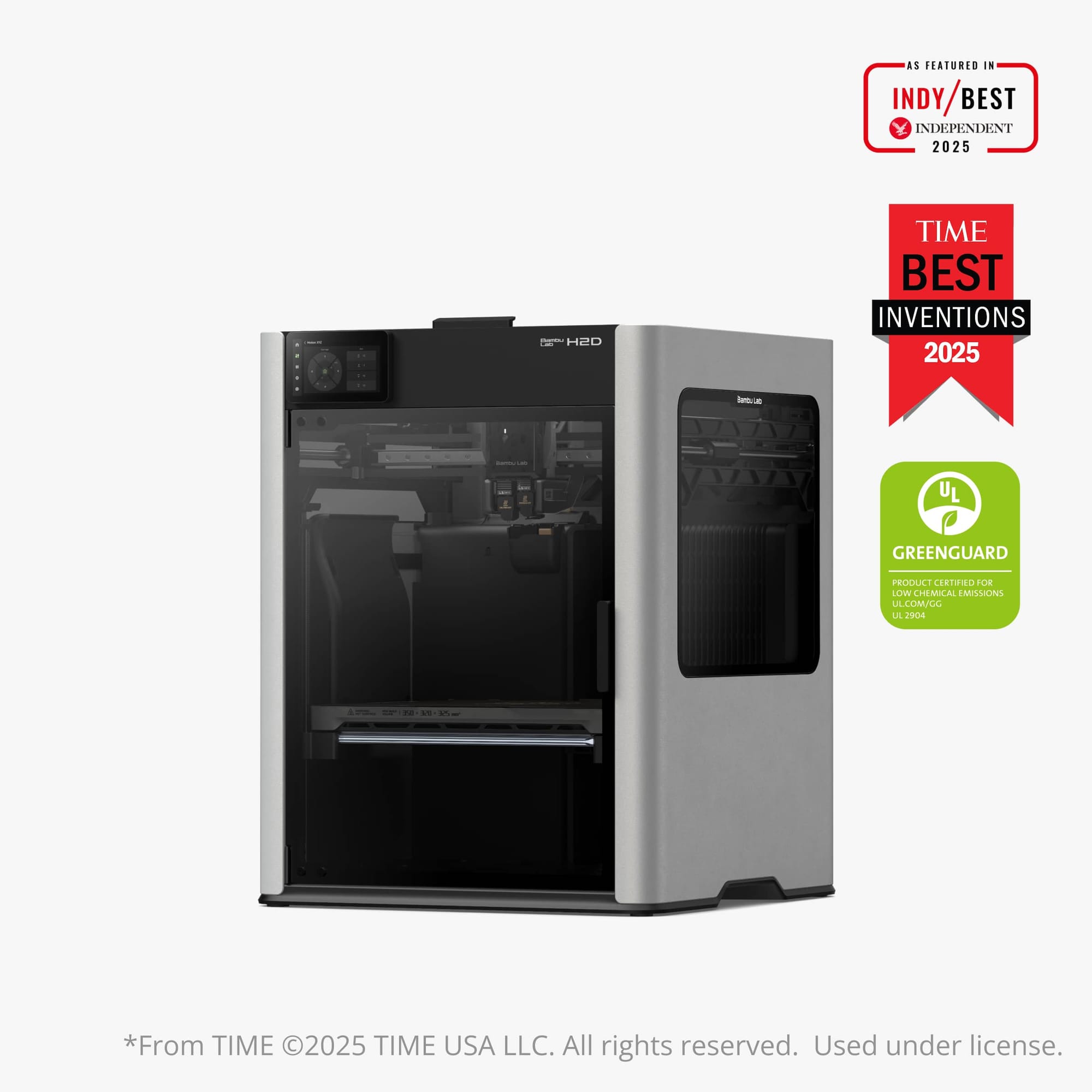
The H2D is Bambu's large-format dual-nozzle machine, launched March 2025. It's not a traditional multi-material system — instead of switching filaments via AMS, it runs two independent nozzles simultaneously. Think of it as a true dual-extruder printer in the classic sense, but with Bambu's speed and engineering behind it.
Key specs:
- Build volume: 350 × 320 × 325 mm (Bambu's largest ever)
- Dual nozzle: independent extrusion, great for soluble supports
- Heated chamber: 65°C
- Max hotend temp: 350°C (handles carbon fiber, glass fiber)
- Speed: 1,000 mm/s toolhead, 20,000 mm/s² acceleration
- Optional laser: 10W or 40W engraving/cutting
- Price: $1,899–$3,499 depending on combo
Best for: Large prints with soluble supports, engineering-grade materials, dual-color prints where both colors run simultaneously rather than switching. The H2D is not designed for 4+ color anime figures — that's not what dual nozzles do. Where it shines is printing articulated figures with PVA support material that dissolves cleanly, or two-tone models with zero purge waste.
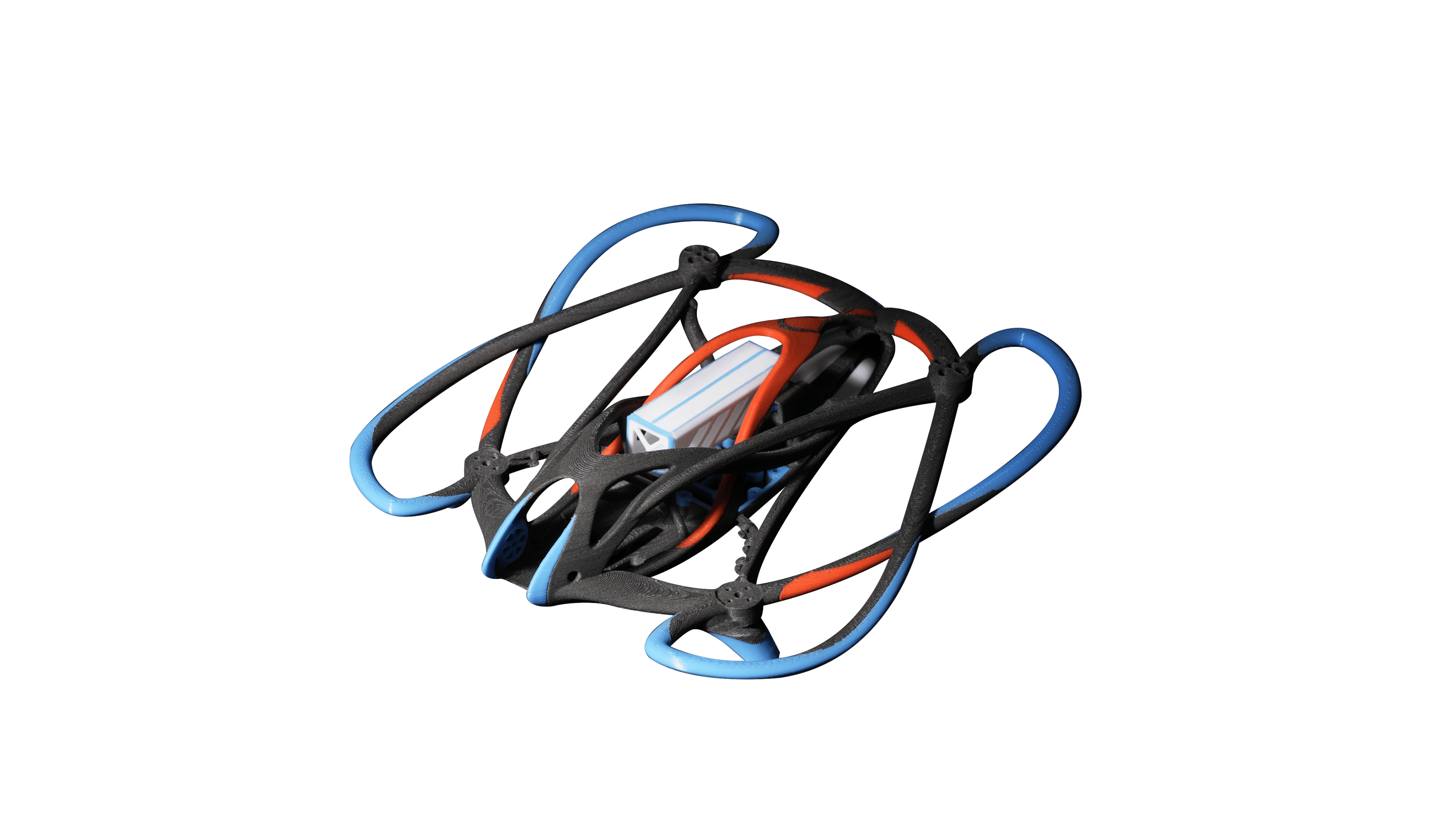
For Geeky Inc / collector use: The large build volume is excellent for printing oversized display pieces or batch-printing multiple blind box figures in one run. The 65°C heated chamber means fewer warp failures on larger articulated models.
Bambu Lab H2C: The Vortek Multi-Material Machine
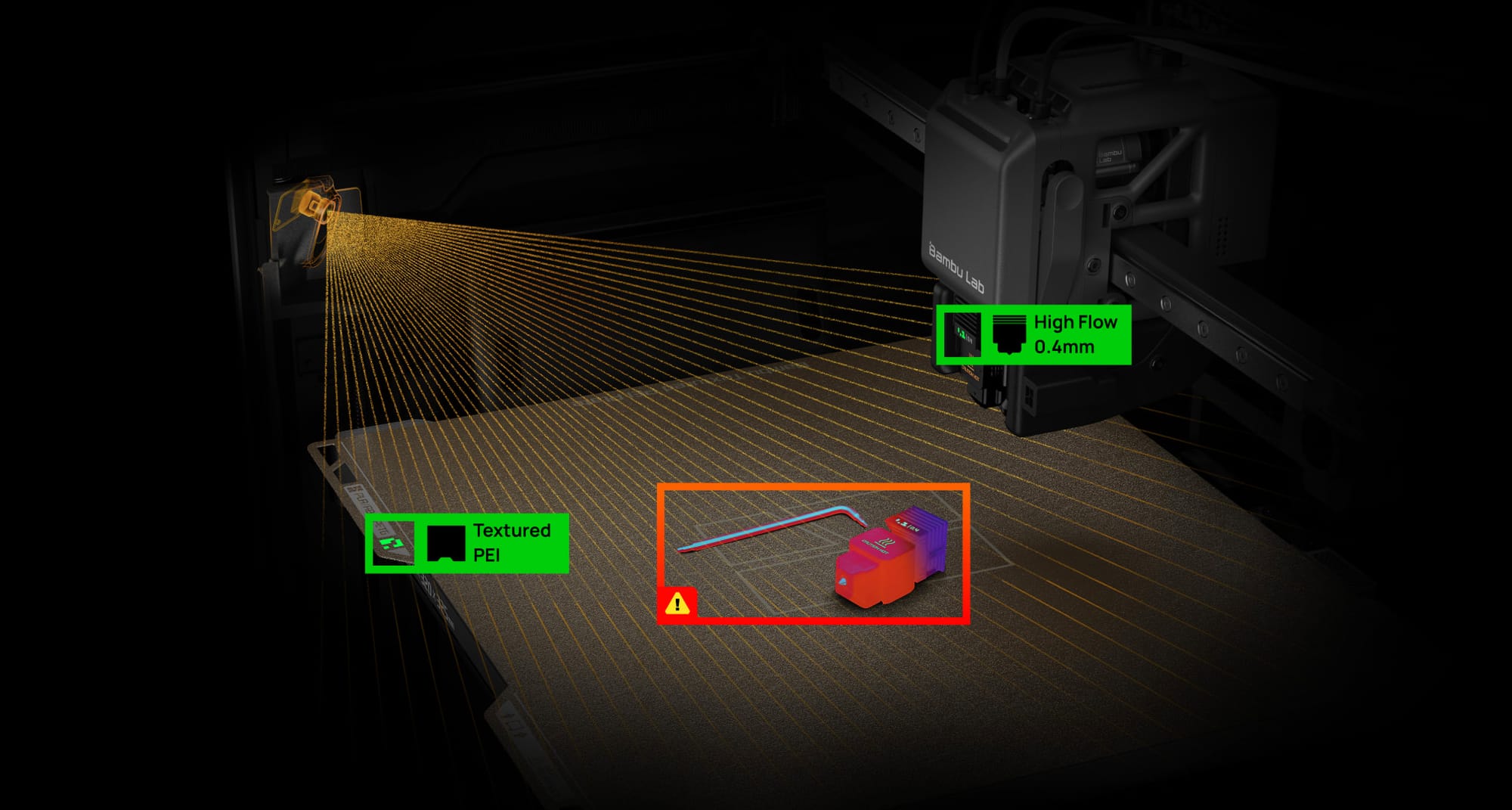
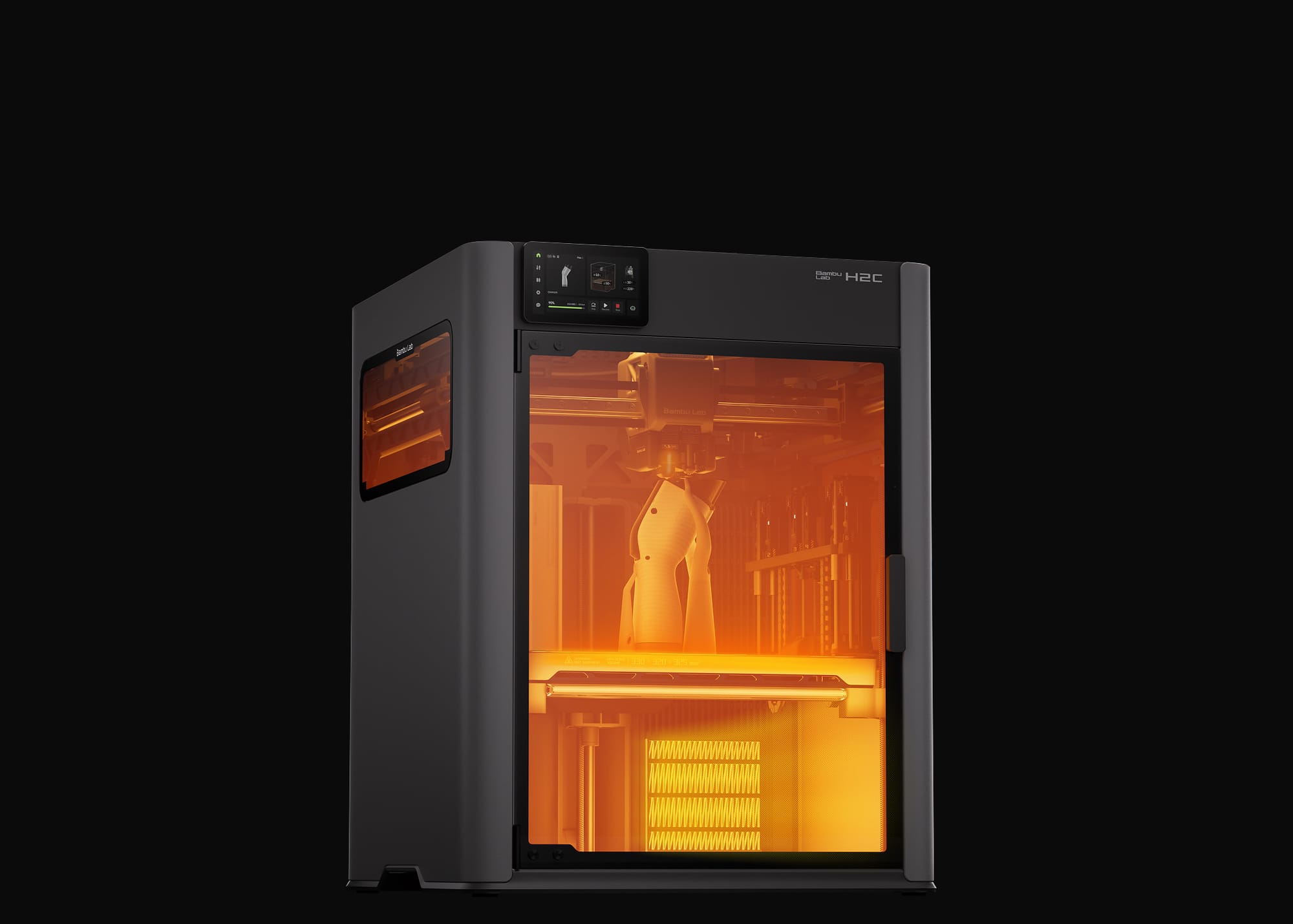
The H2C, launched January 2026, is the most technically interesting machine Bambu has ever built. Instead of pushing filament through a single nozzle and purging between colors, it physically swaps hotends — up to 7 independent hotends via the Vortek system. Each hotend heats up via induction in ~8 seconds, and the printer picks the right one for each color segment.
Key specs:
- Multi-material: up to 7 colors/materials via Vortek hotend-switching
- Purge waste reduction: 58% less than traditional AMS single-nozzle systems
- Same frame as H2D: large build volume
- Compatible with AMS 2 Pro for extended filament management
- Optional 40W laser
- Price: starting ~$2,499 (Vortek combo)
The Vortek difference: Traditional AMS on the P1S or X1C pushes a new filament through the same nozzle and purges the old color into a waste tower. Every single color swap = a chunk of wasted filament. On a complex 4-color figure that does 400 swaps per print, that waste adds up fast. Vortek eliminates this by having a dedicated hotend per color — the "new" nozzle is already loaded and hot, so purging is minimal.
For Geeky Inc / collector use: This is the printer for serious multi-color anime and gaming figure printing. A 6-color character model (skin tone, hair, eyes, outfit, accessories, detail lines) is exactly what the H2C was designed for. The reduced waste makes high-color-count prints economically viable in a way the AMS never quite was.
Bambu Lab X2D: The P1S Successor (April 14, 2026)
The X2D is the direct successor to the X1C — same ~256 × 256 × 256 mm build volume, but now with dual extruders. It launches April 14, 2026. Details are still emerging, but here's what's confirmed:
- Dual extruder design: minimizes printhead size and weight vs. tool-changer systems
- Build volume preserved: nearly the full 256³ of the X1C
- AMS compatible: multi-color via AMS for 4+ colors
- Target price: expected near the X1C's price point (sub-$1,200)
For Geeky Inc / collector use: The X2D is the P1S owner's upgrade path. If you're already in the Bambu ecosystem with AMS, the X2D adds dual-extruder flexibility (real soluble supports, two-material prints without nozzle swap) while keeping the compact form factor. For high-color-count figure printing, you'd still pair it with AMS — but the dual extruder means you can dedicate one nozzle to support material and one to model material, eliminating support scarring on detailed figures.
Which One Should You Buy?
The honest take: if you're printing articulated collectibles at the P1S level (which Devon does here at Geeky Inc), you don't need an H2C yet. The AMS on a P1S handles 4-color prints well, and the X2D will be a compelling upgrade when it's in reviewers' hands. The H2C is for creators doing commercial-level multi-color production — think 50+ prints a week with 6+ colors. For the hobbyist/small-batch creator, the value isn't there yet.
That said, the Vortek technology in the H2C is the direction the whole industry is heading. Watch the X3-series announcement later this year — Vortek will trickle down.
3D Printing Resources on Geeky Inc
- Best Articulated 3D Prints: Dragons, Creatures & Fidget Toys
- Best Anime STL Files for 3D Printing in 2026
- 10 Cool 3D Prints from a Video Game
Into 3D printing + anime + gaming? We cover it all — and we're building actual printed collectibles you can buy. Join the Geeky Inc community →
Wave 1 — Kitsune Legends Vol. 1
Get notified when Wave 1 drops.
Limited run of articulated 3D printed figures. Anime × JRPG aesthetic. Blind box format. 20 chase units.
Join the waitlist →


Member discussion