


Every so often a game comes out of nowhere and rearranges the furniture. In 2025, that game was Clair Obscur: Expedition 33 — a debut RPG from a tiny French studio that went on to win a record-shattering 513 Game of the Year awards and sweep all five major award shows, out-earning even Elden Ring. If you’ve been on the fence, this is the honest buyer’s guide: is it actually worth it, which edition to buy, and what to know before you press start.
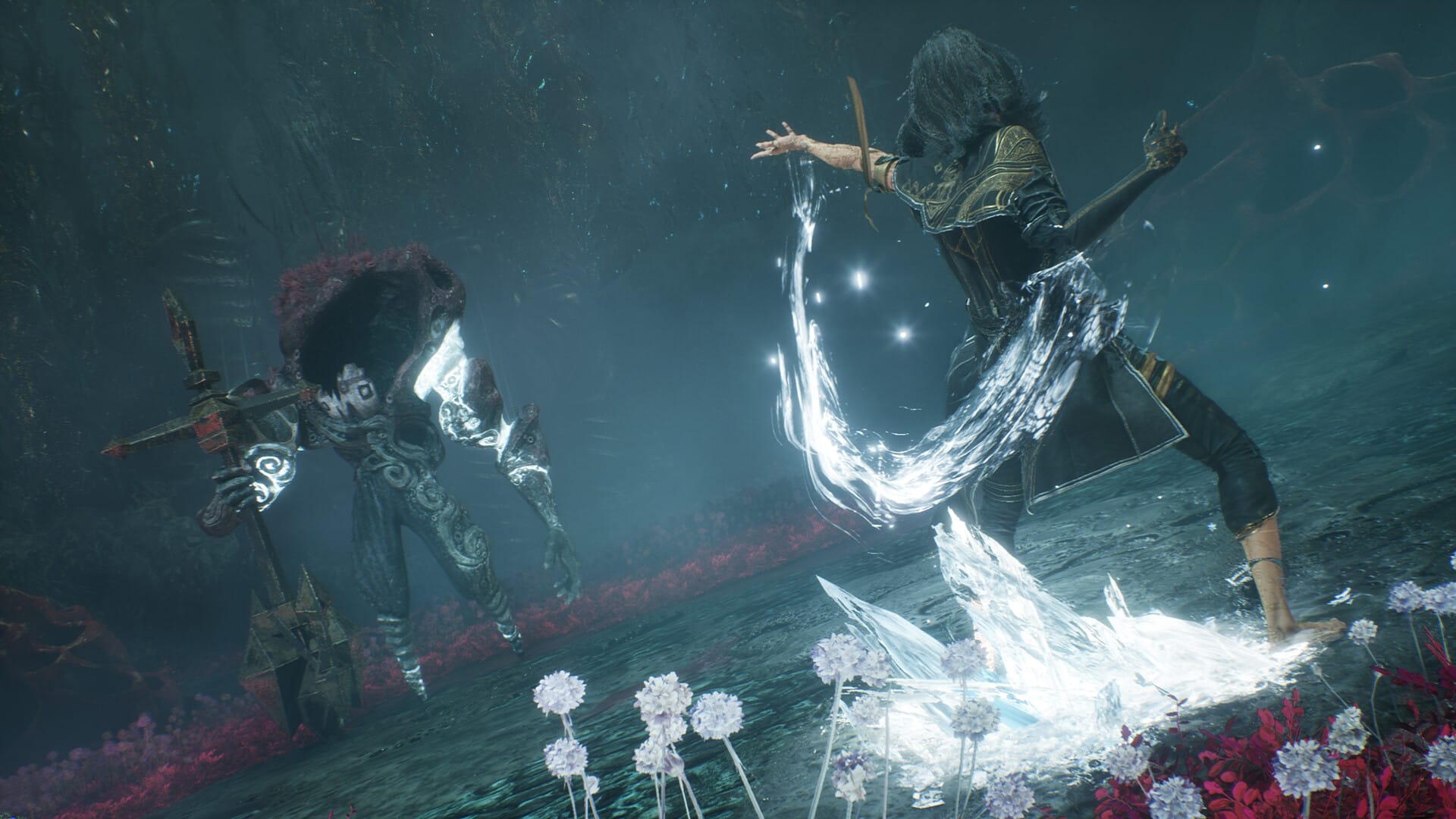
Is Clair Obscur: Expedition 33 worth it in 2026?
Short answer: yes — this is a buy, not a maybe. The awards case alone is staggering: 513 Game of the Year wins and a clean sweep of the Golden Joysticks, The Game Awards, DICE, GDC, and BAFTA — only the second game in history to take GOTY at all five. But awards aren’t why you’ll love it. Here’s what actually makes it special:
- Turn-based combat that plays like nothing else. It looks like a classic JRPG, then hands you real-time parries, dodges, and free-aim counters mid-enemy-turn. It’s the reactive tension of a soulslike welded onto turn-based strategy — if you love Elden Ring’s timing and Final Fantasy’s systems, it scratches both itches.
- A world you won’t forget. A Belle Époque France drowning in dark fantasy, ruled by the Paintress who paints a number on a monolith each year — and everyone that age is erased. Expedition 33 sets out to end it. It’s gorgeous, strange, and emotionally devastating.
- A soundtrack and story that stick. This is the rare RPG people finish and immediately want to talk about for a week.
The honest caveats: it’s story-first and emotionally heavy — not a loot-grinder to zone out to — and one of its early awards was rescinded over generative-AI use in pre-production. Neither changes the verdict: it’s one of the best RPGs of the decade.
Standard vs Deluxe: which edition should you buy?
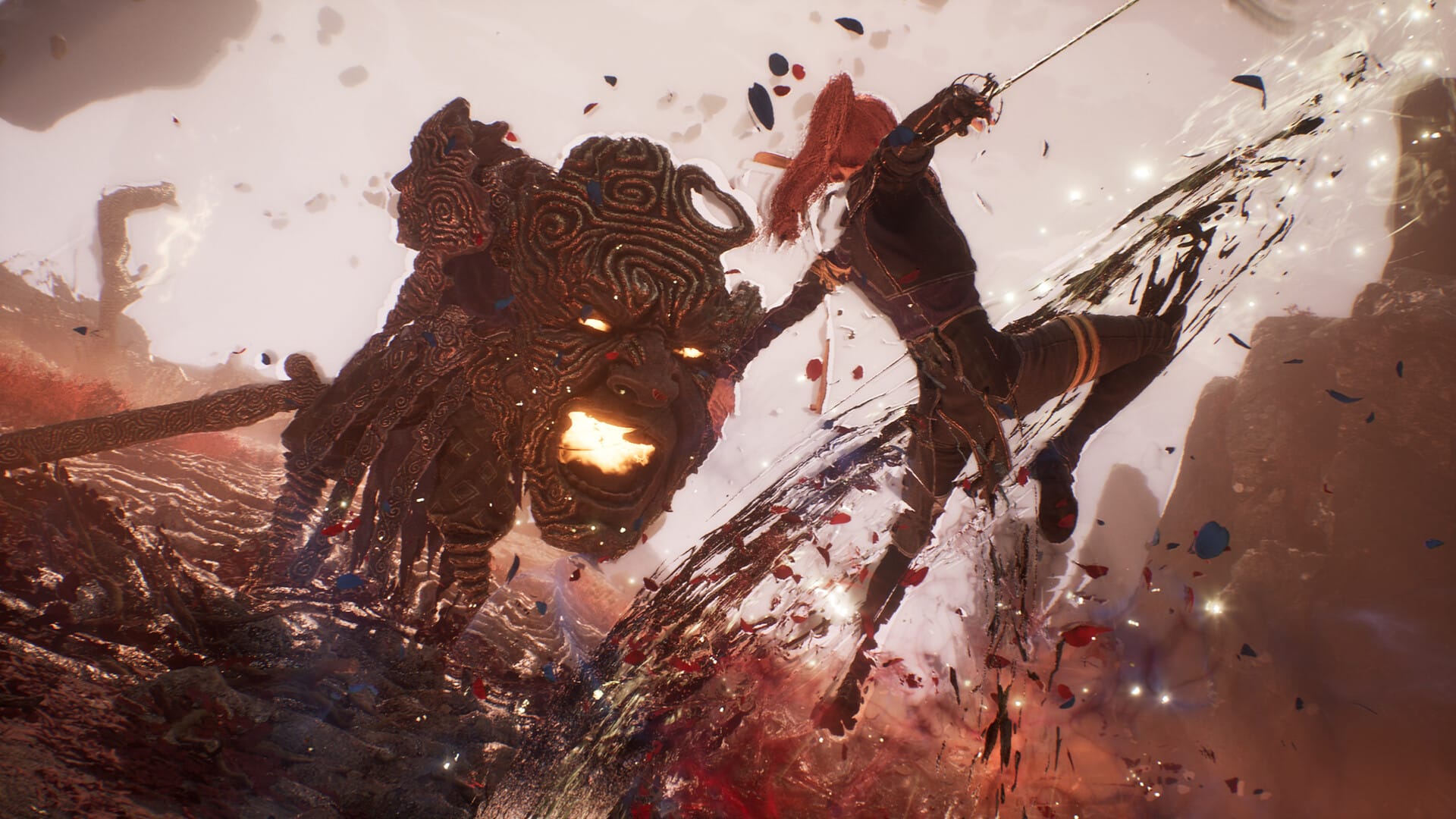
This is the easy part — and the answer might save you money.
| Edition | What you get | Best for |
|---|---|---|
| Standard Edition | The full base game — every location, character, and the free content updates | Almost everyone |
| Deluxe Edition | Base game + the “Flowers” Collection (6 outfits & hairstyles), 6 “Gommage” outfit variants, and custom Clair/Obscur looks for Maelle & Gustave | Fans who want the cosmetics |
The verdict: buy Standard. Everything that separates the Deluxe Edition is cosmetic — outfits and hairstyles. There is zero gameplay, story, or area locked behind it. Better still, the major free “Thank You” update — which added an entire new playable environment, Verso’s Drafts — is free for every owner regardless of edition. So grab the Standard Edition on PC and only step up to the Deluxe Edition if you know you want the wardrobe.
Join the Geeky Inc newsletter — we send the best new RPG deep-dives, build guides, and which-edition breakdowns every week.
What you’re actually buying: the combat & build system
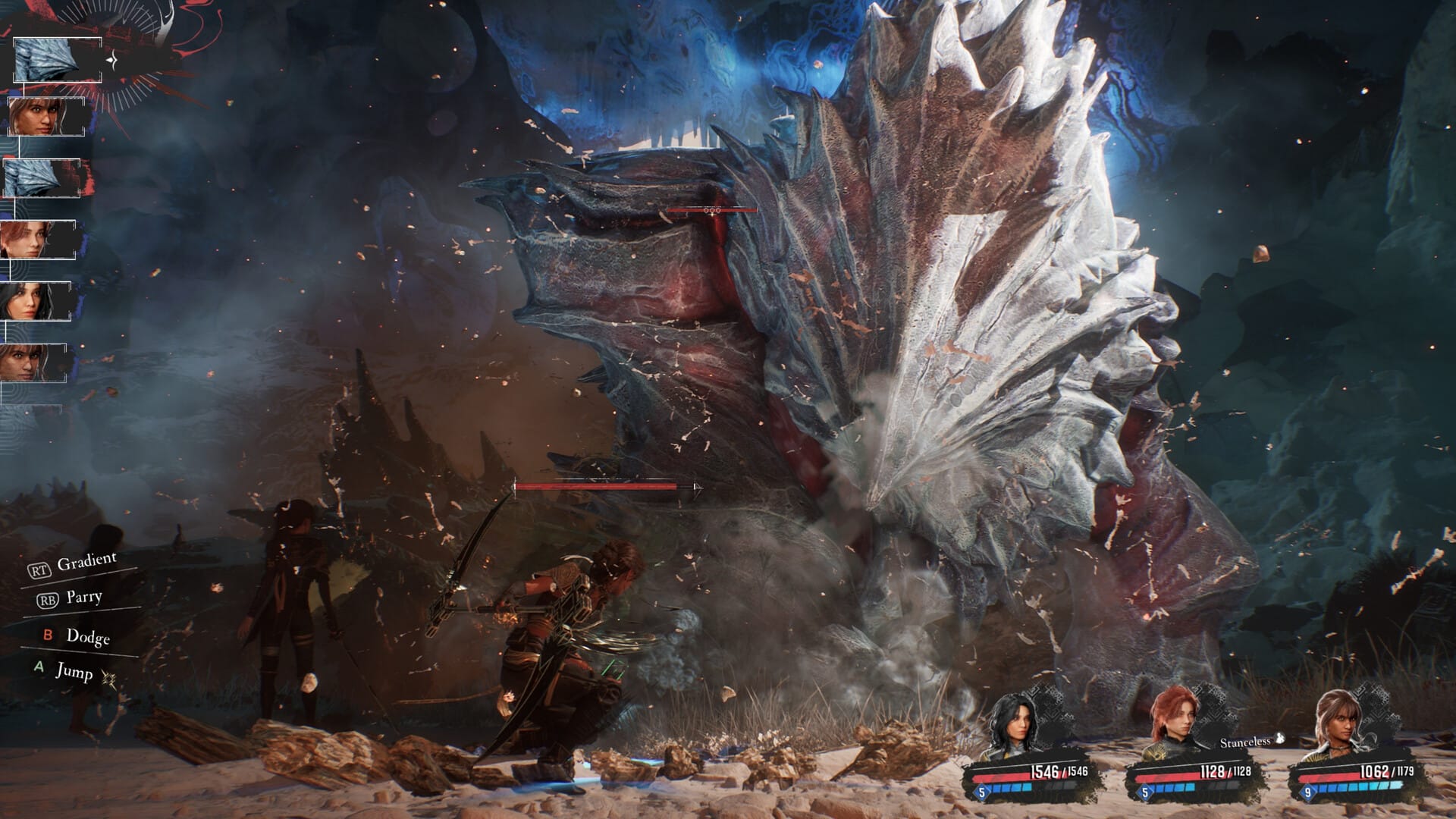
Under the painterly surface is a genuinely deep build game. You equip Pictos for stat boosts and passives, then unlock their effects as reusable Luminas you can mix across the whole party. Every character has a signature gimmick — Lune stacks elemental Stains, Sciel plays a card/foretell system, Maelle swaps combat stances, Gustave charges an Overload — and the fun is in wiring builds that combo them together. Fights reward aggression and precision: nail a parry chain and you can flip a losing turn into a full counter-offensive.
9 beginner tips before you start Expedition 33
Real talk from someone who fell hard for this one: I bounced off the combat for my first hour — convinced I was just too slow for the parry timing — and then it clicked, and it became my favorite turn-based battle system since the Active Time Battle days of classic Final Fantasy. Here’s what I wish someone had told me on night one.
- Practice the parry — it is the game. Blocking keeps you alive; parrying wins fights and feeds your action points for a counter-offensive. Spend your first few encounters learning each enemy’s attack rhythm instead of panic-dodging. It’s Sekiro wearing a JRPG’s clothes, and the moment it clicks you’ll never go back.
- Dodge is your training wheels — and that’s fine. If a parry window terrifies you, just dodge. Lower reward, but it keeps you breathing while your hands learn the timing. Nobody’s grading you; even veterans dodge the attacks they haven’t memorized yet.
- Do NOT sleep on Pictos and Luminas. This is where new players hit a wall and blame the difficulty. Equip Pictos for stats and passives, master them into Luminas, then share the best effects across your whole party. A well-built character three levels lower will out-punch a naked over-leveled one every single time.
- Free Aim cracks fights wide open. The shooting layer isn’t a gimmick — it staggers enemies, pops weak points, and shreds shields that laugh off your melee. Against the tougher stuff it’s not optional, it’s the plan.
- Build around each character, not despite them. Lune wants elemental Stains, Sciel wants her Foretell stacked, Maelle lives and dies by her stances, Gustave’s Overload rewards patience. Lean all the way into one identity per character — the “jack of all trades” build is how you end up underpowered and frustrated.
- Weapons matter as much as levels. Every character’s weapon has its own upgrade path and stat scaling. Pour your materials into the weapon that matches your build’s main stat before anything else — a sharpened weapon is a bigger power spike than a level-up.
- Chase the Gradient. Build your Gradient gauge in longer fights and cash it in on Gradient Attacks for the turn-the-tide moments. Knowing when to hold it versus spend it is honestly half of every boss.
- Wander before you push the story. The world is stuffed with gear, hidden Gestral friends, and side content that quietly trivializes the next wall. If a boss feels impossible, the answer is usually out in the world — not in an hour of grinding.
- Don’t over-grind, and go in as blind as you can. It’s paced for a focused run, so a boss wall is almost always a build problem, not a levels problem. And the story? Protect it. There’s a moment I won’t spoil that genuinely made me set the controller down and just sit there — the less you know going in, the harder it lands. Trust me on this one.
Clair Obscur: Expedition 33 FAQ
Is Clair Obscur turn-based or action?
Both. It’s a turn-based RPG at its core, but you actively parry, dodge, and free-aim in real time during enemy turns — so it feels far more hands-on than a classic JRPG. That hybrid is exactly why soulslike and Final Fantasy fans both love it.
Is it hard?
It can be, because defense is timing-based — but there are difficulty options, and once the parry clicks, the challenge becomes deeply satisfying rather than punishing. It’s demanding, not unfair.
How long is Clair Obscur: Expedition 33?
Roughly 30 hours for the main story, and 60+ if you chase side content and optional bosses. The free Verso’s Drafts update adds more on top.
Does the edition change the gameplay?
No. Standard and Deluxe play identically — the Deluxe Edition only adds cosmetic outfits and hairstyles. All content updates are free for everyone.
Should I buy it or play it on a subscription?
It launched on subscription services, but third-party titles rotate off over time — and this is a game you’ll want to replay and keep. A Steam key is yours permanently, with achievements and mod support.
Bottom line: Clair Obscur: Expedition 33 earned every one of those 513 trophies. Buy the Standard Edition, learn to parry, and let it wreck you in the best way. If you love it, dive into our best JRPGs of all time ranking for your next obsession.
Subscribe for weekly RPG guides — build breakdowns, which-edition buyer’s guides, and the next great game to play, straight to your inbox.
Image credits: Sandfall Interactive / Kepler Interactive, via Steam.
Geeky Inc Minis
Tiny dragons, kitsune and golems for your shelf.
Multi-color 3D-printed minis, printed, finished and shipped by us. $2.50 each, or 12 for $23.
Browse the minis →


Member discussion